

7 Summer Skincare Questions Answered: Why Consistency Matters Most For Mature Skin
Nothing surprises me more than hearing women say they stop taking care of their skin during the season when it actually needs the most protection.
Every year as the Scandinavian summer arrives, I start hearing the same questions from our community:
"Should I stop using my active treatments until autumn?" or "Is my routine too heavy for the heat?"
The answer is almost always a gentle, definitive: no.
The problem isn't the summer season. The problem is unprotected sun exposure. Unfortunately, somewhere along the way, a reasonable discussion about basic sun safety turned into one of the most persistent skincare myths I encounter every year: the idea that you should pause your anti-aging routine when it gets warm outside.
How the Summer Skincare Myth Started
Like many myths, this one began with a small amount of truth.
Traditional, harsh retinoids can cause irritation, dryness, and peeling—especially if you are using an unstable, high-percentage formula. If someone applies a stripping product and then spends hours in direct sunlight without proper protection, redness and irritation can become much more noticeable.
Over time, a reasonable warning about protecting your skin evolved into an incorrect message: "Stop your active ingredients during summer." The problem is that mature skin doesn't work that way. Collagen breakdown, loss of elasticity, and UV-induced pigmentation don’t pause in July.
So why would the clean, active ingredients designed to combat those changes suddenly be put on a shelf for three months?
The Summer Skincare Questions We Hear Most Often
1. Is summer actually more aging than winter?
Yes, by a landslide. It is a tragic irony: the season when most women choose to scale back or completely stop their heavy-hitting anti-aging routines is the exact season when skin aging accelerates the fastest.
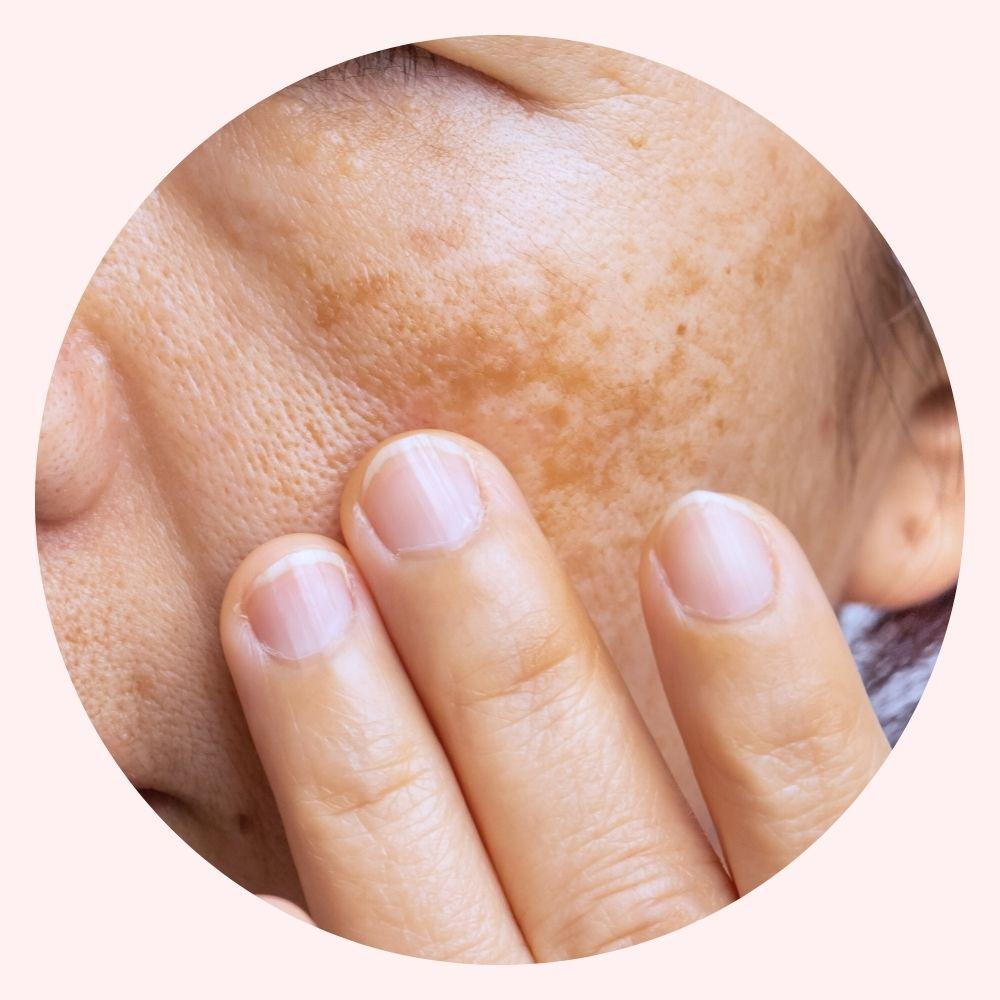
During summer, ultraviolet (UV) radiation reaches its peak. This causes photoaging—the technical term for sun-induced skin damage. UV rays penetrate deep into the dermis, aggressively triggering collagen breakdown, destroying skin elasticity, and causing hyperpigmentation and stubborn dark spots. Winter weather can cause surface dryness, but summer sun causes deep, structural damage. Taking the summer off from your skincare routine means giving aging a three-month head start.
2. Can you use Retinol during summer?
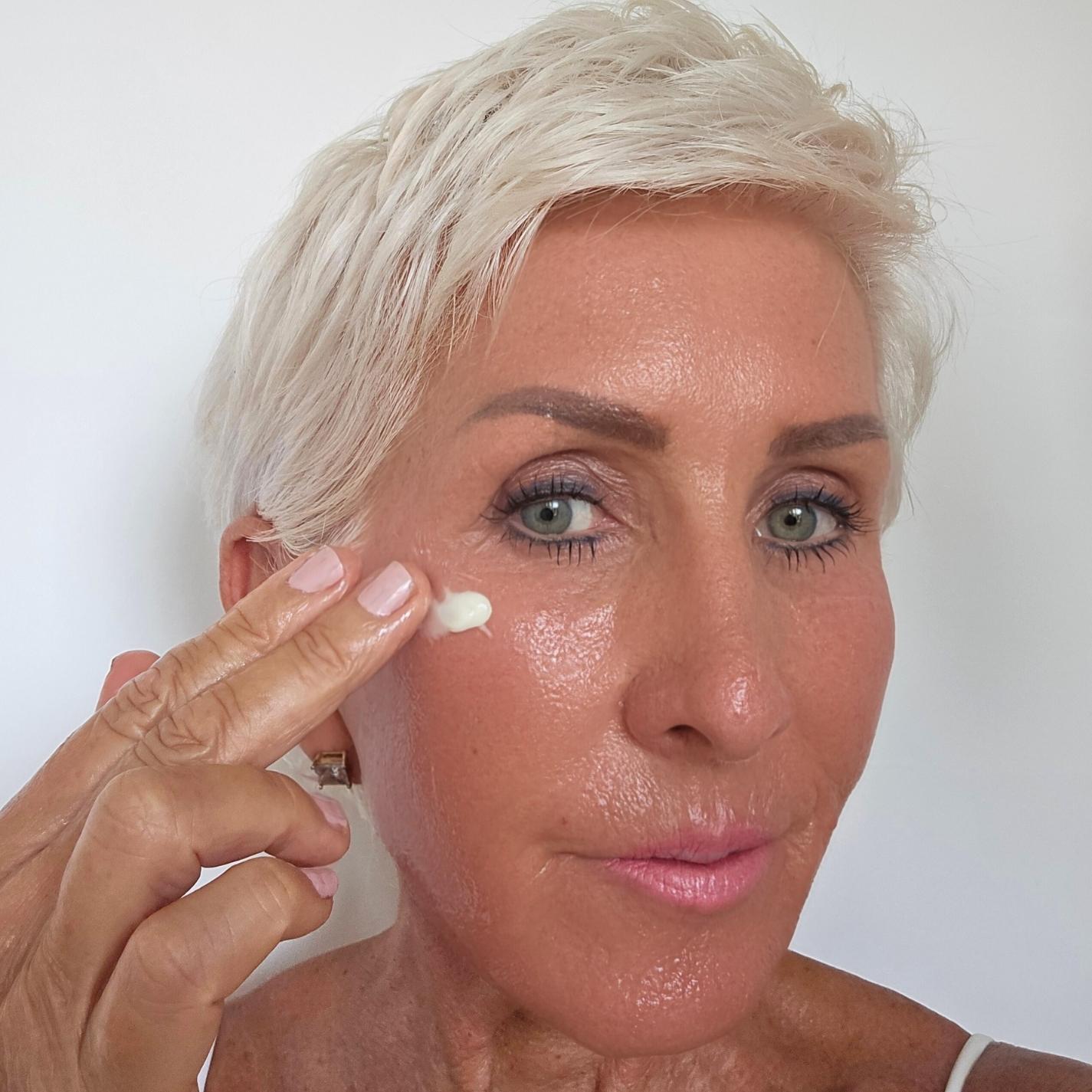
Absolutely—if it’s formulated correctly. Retinol helps stimulate cellular turnover and supports the long-term structural remodeling that improves deep wrinkles and skin bounce. Those benefits accumulate gradually over time. When you stop your retinol every summer and restart every autumn, you repeatedly interrupt that beautiful momentum and force your skin to go through the dry, flaky adjustment phase all over again.
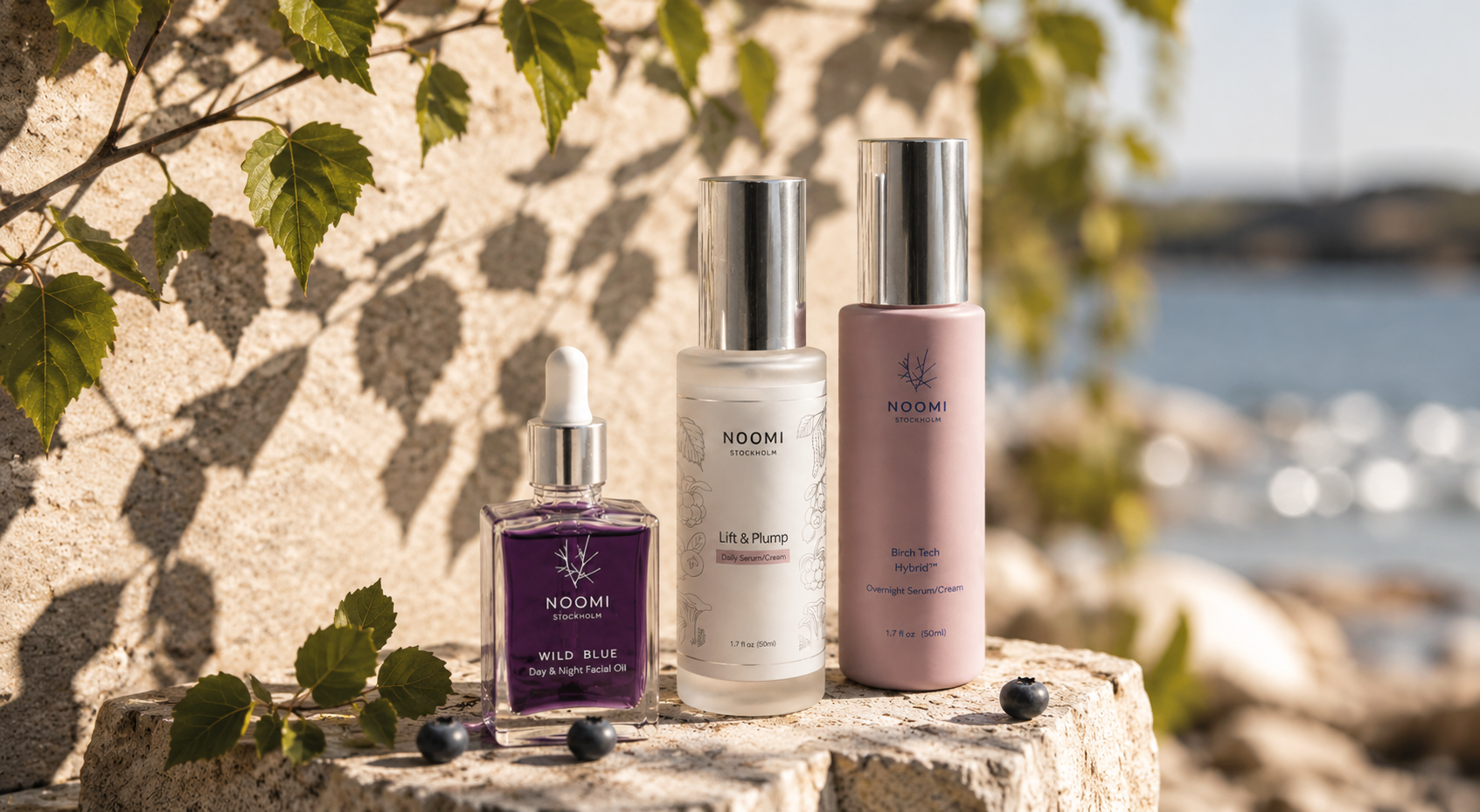
What matters isn't avoiding retinol; what matters is choosing a smart formulation. This is exactly why we created our Overnight Transformation Kit with a 0.5% time-released encapsulated retinol. Because it is gently delivered into the skin over several hours rather than shocking the skin barrier all at once, it gives your skin all the deep overnight rebuilding it needs without the inflammation or seasonal sensitivity of traditional retinols.
3. Should I switch to Bakuchiol in the daytime?
Yes, this is your ultimate summer daytime strategy. While retinol does its best work overnight while your skin is in repair mode, your morning routine needs an active ingredient that can safely stand up to the sun. Enter Bakuchiol—the plant-derived, photostable alternative to retinol.
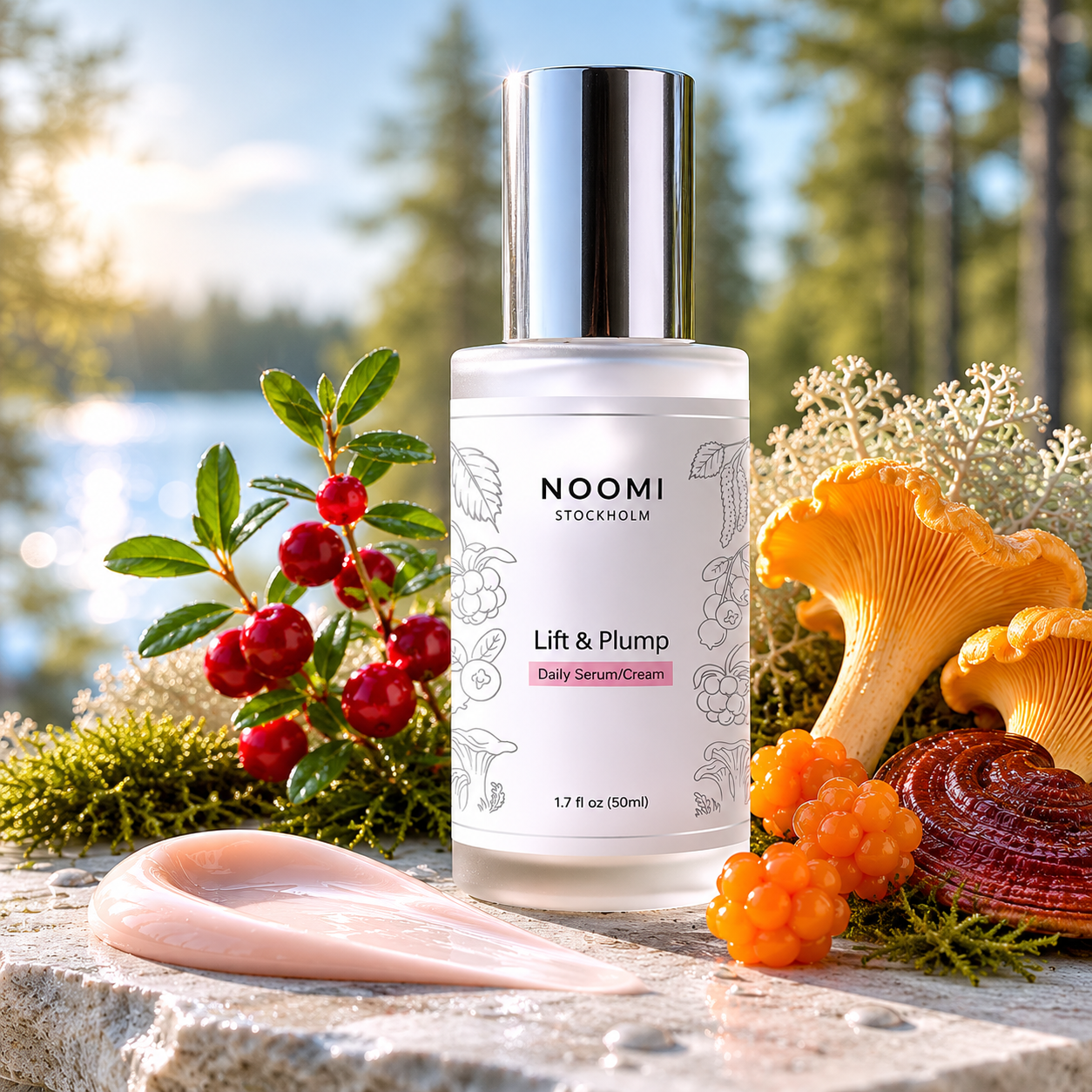
Unlike traditional anti-aging actives that degrade or cause photosensitivity in sunlight, Bakuchiol stays perfectly stable in UV light. Found in our Lift & Plump Daily Serum-Cream, it acts as a daytime collagen booster, actively firming and lifting expression lines throughout the day while protecting your skin barrier from environmental stress.
4. Can I still use Facial Oils during summer?
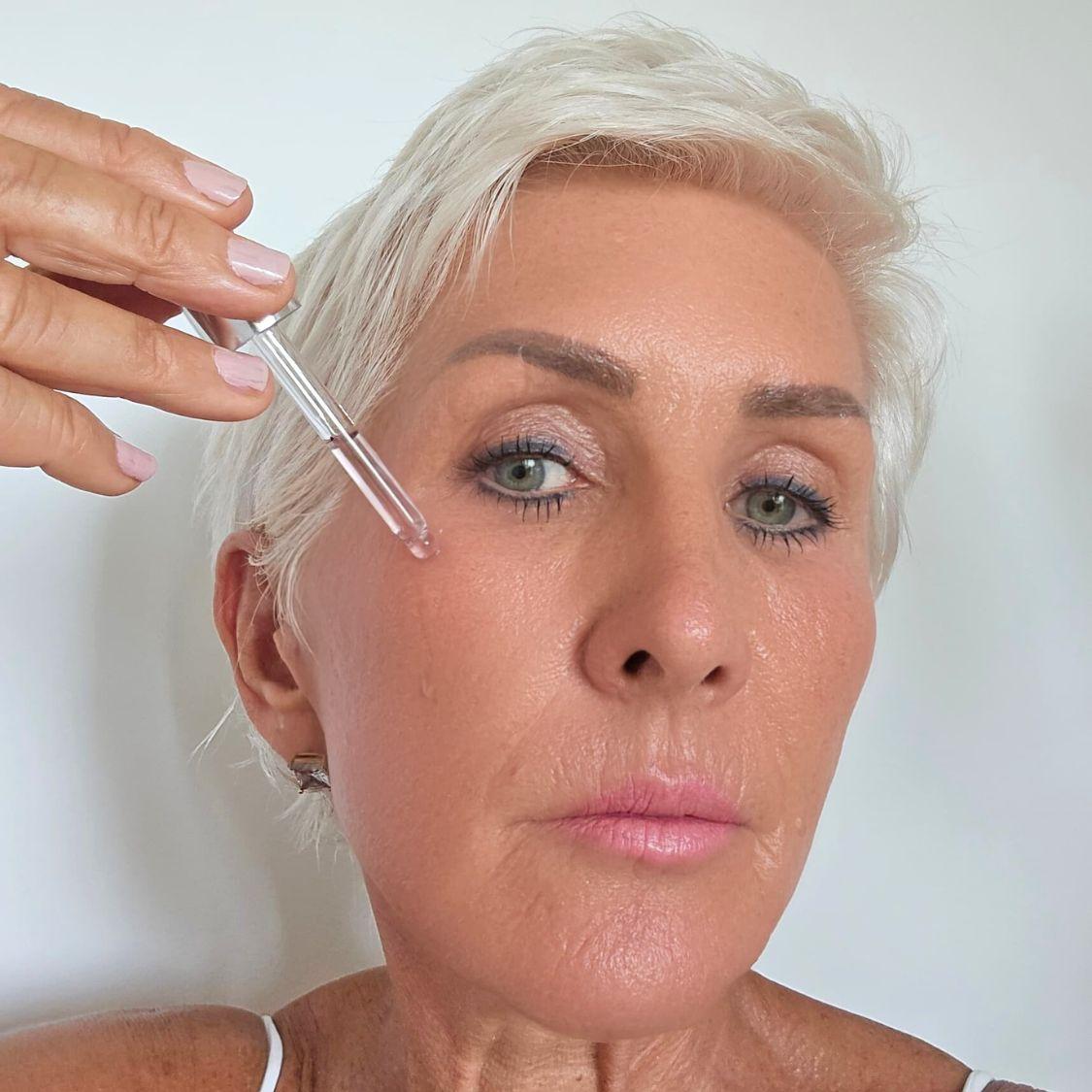
Yes, and mature skin often deeply needs them. There is a common misconception that facial oils should be locked away as soon as the weather warms up because they will feel "too heavy" or clog the pores.
The truth is that high-quality, plant-derived oils do not block the skin. In the summer, heat, air conditioning, and sun exposure rapidly dry out the skin through trans-epidermal water loss (TEWL). Mature skin naturally produces less oil, and summer environmental stress parches it further. A lightweight oil locks in your hydration and keeps the skin supple.
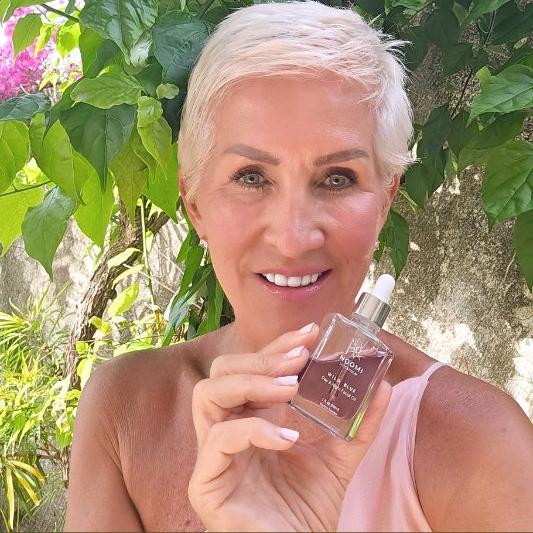
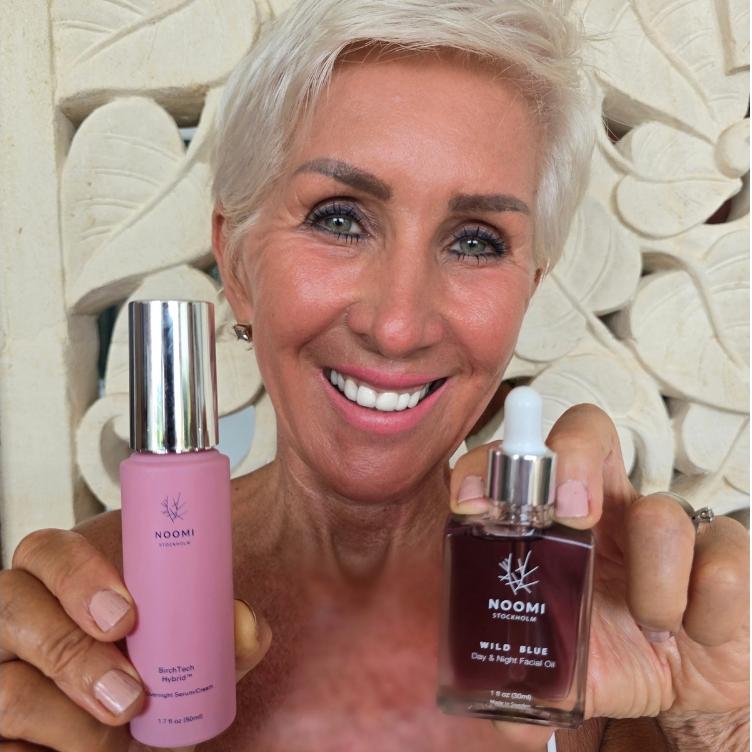
Our Wild Blueberry Elixir is a beautifully lightweight, fast-absorbing oil packed with Swedish super-antioxidants. It sinks in instantly without a greasy residue, shielding your skin barrier against summer oxidative stress.
5. Should I wear SPF even if I'm mostly indoors or on cloudy days?
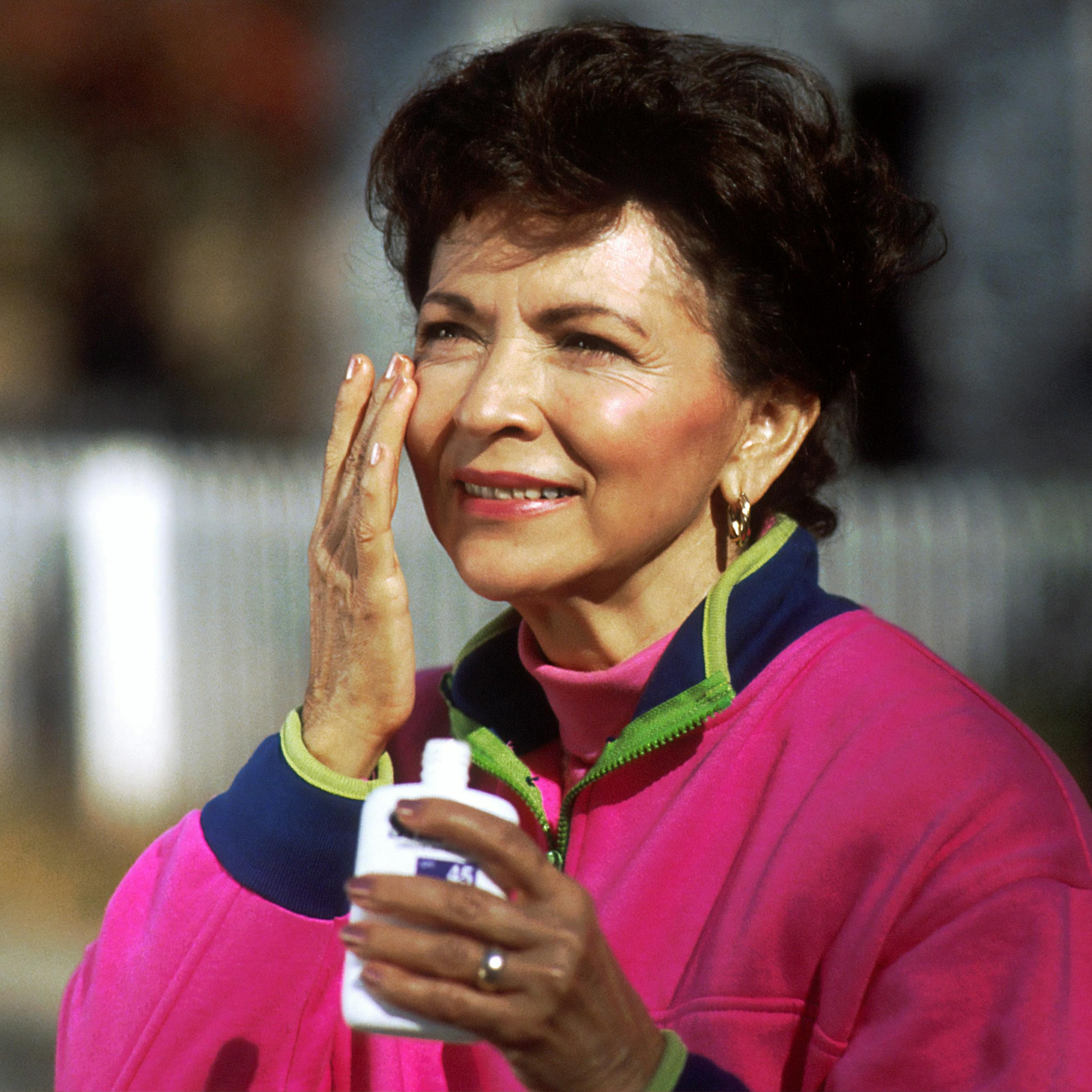
Without question. You would be amazed how many women think that if they aren't sunbathing at the beach, they don't need sun protection.
Clouds block out the sunlight, but they do not block out UVA rays—the specific wavelengths responsible for deep cellular aging and wrinkles. Furthermore, UVA rays pass right through standard window glass.
Whether you are sitting by a window working on your laptop, driving your car, walking the dog for ten minutes, or stepping into the garden, that short, daily, cumulative exposure adds up significantly over a lifetime. Sun protection isn't a "beach day" rule; it's a daily habit.

6. Can I use a chemical peel or exfoliator during summer?
Yes, but you must choose your acids wisely. Many people believe that exfoliating during the summer will thin the skin and leave it defenseless against sunspots. The truth is that gently clearing away dead, sun-damaged skin cells is essential for maintaining a radiant, smooth complexion during the warmer months.
The secret is avoiding harsh, synthetic chemical peels that strip the skin barrier bare. Instead, opt for natural fruit enzymes. Our Blueberry Hydro Peeling Exfoliator uses antioxidant-rich Swedish wild blueberries and gentle alpha-hydroxy acids (AHAs) to dissolve dull surface cells safely. Using it 1–2 times a week in the evening keeps your skin bright and glowing without compromising your skin's natural defense system.
7. My skin feels sweatier in summer - does that mean I can skip my moisturizer?
No. In fact, summer is often when mature skin needs hydration the most. It's incredibly common to confuse sweat and humidity with true skin hydration. While your skin may feel damp on the surface, the summer sun, air conditioning, swimming pools, and salt water can all contribute to increased moisture loss from the deeper layers of the skin. The result? Skin that looks duller, feels tighter, and often appears more lined and crepey by the end of the day. The solution isn't skipping your moisturizer—it's choosing formulas that provide lasting hydration without feeling heavy or greasy.
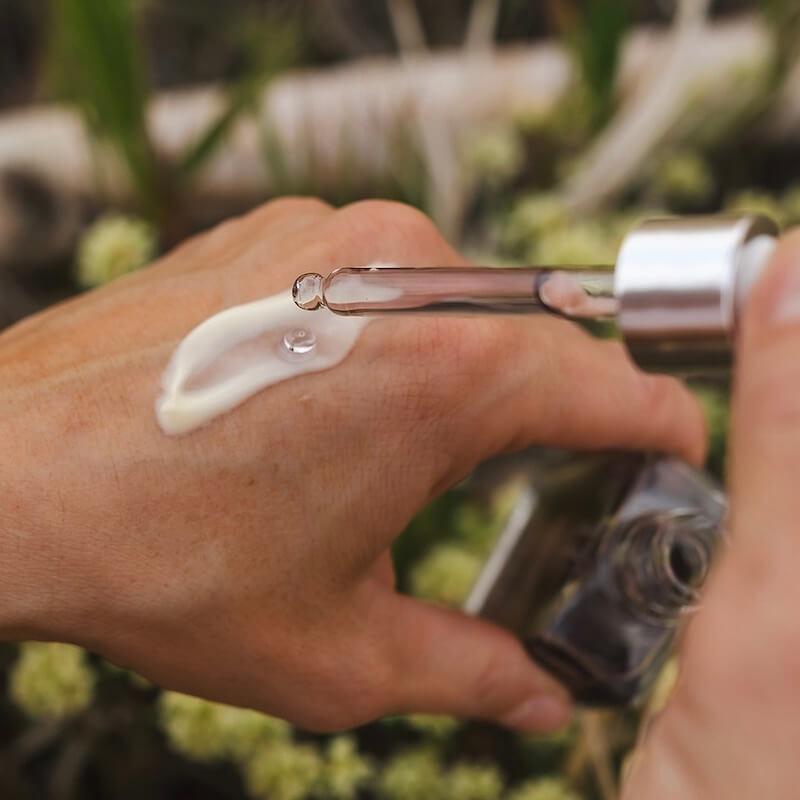
A lightweight formula such as Lift & Plump Daily Serum-Cream helps replenish hydration, support the skin barrier, and maintain a fresher, firmer appearance throughout the day—without the heavy, occlusive feel often associated with traditional moisturizers.
Why Consistency Matters More Than Seasons
One of the most important lessons in skincare is that skin responds to consistency. The exact same principle applies to exercise, nutrition, and healthy aging. Lasting, radiant results are rarely created by occasional bursts of effort in the winter. They are created by steady, premium, daily habits repeated over years.
Repeatedly interrupting your routine for a few months every summer makes it incredibly difficult to build real anti-aging momentum. And momentum is exactly where the most meaningful, visible improvements happen.
Summer isn’t the enemy of your skincare routine. Unprotected sun exposure is. Stay consistent, protect your skin barrier, and remember that aging doesn't take the summer off—and neither should your glow. 💚

/ Tindra Eriksson
Founder, RN & Certified Esthetician
Shop Products In This Blog
Unsure which products are best for your skin's unique needs?
Take our quick quiz and receive personalized recommendations in just minutes